

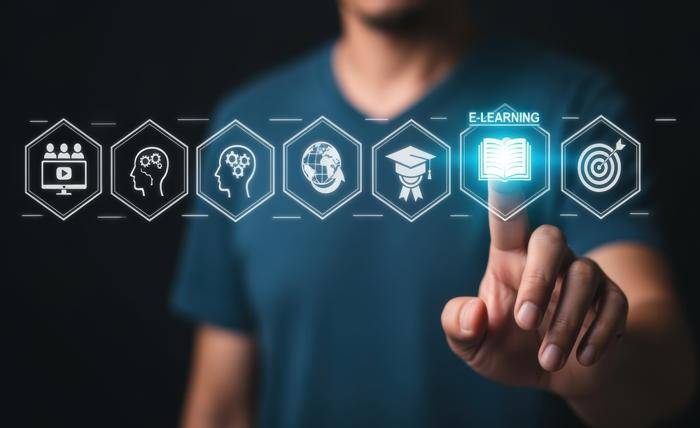
The couch in the living room has now doubled as a classroom space. Millions of Americans are now logging in to learn new skills. They are pursuing degrees and progressing in their careers. All of this from the comfort of their homes. The change has completely transformed how people think about both learning and career growth.
Breaking Down the Barriers
Prohibitive costs and inflexible timetables often go hand in hand with traditional education. The conventional approach to education is shifting due to online learning. A single parent in Ohio can study accounting after putting the kids to bed. A Texas factory worker can study coding during their lunch hour. The obstacles that once hindered career progress are disappearing.
Cost plays a huge role in this transformation. Though a four-year degree could cost a fortune, many online programs provide a high-quality education at a much lower price. Some platforms even provide free courses. With the democratization of learning, career advancement is now independent of wealth or location.
The Flexibility Factor
Do you recall those college days, dashing across campus, praying to get to class before the bell? Online learning removes that particular pressure. Students are able to pause lectures, allowing them to take notes at their own pace. They can rewind confusing sections. They can study at 2 AM, choosing to work when they feel most mentally alert.
Scheduling isn’t the only flexible aspect. Learning happens at an individual pace. Fast learners are able to progress rapidly. Those individuals who require extra time can take it without feeling hurried or self-conscious. Genuine understanding and skill flourish when there’s no pressure to compete with others.
Real Skills for Real Jobs
The job market is in constant flux. What employers valued five years ago may no longer be relevant. The experts over at ProTrain tell us that online learning platforms adapt swiftly to these developments. New courses pop up as industries evolve. An online certification course in data analysis might launch just months after companies start demanding that skill.
This responsiveness gives learners a competitive edge. Unlike the years it takes traditional institutions to update their curricula, online platforms can pivot in mere weeks. Students are learning the skills that employers currently need. They are not learning from an outdated curriculum.
Building Connections in Digital Spaces
Some critics argue that online learning doesn’t offer the same social experience as in-person classes. That is incorrect. Online study groups tend to arise organically. Discussion forums are filled with chatter. Students worldwide share unique perspectives.
These connections are often surprisingly valuable. A California marketer could team up with a Florida graphic designer. Sometimes, these collaborations lead to business or job prospects. The network expands naturally, exceeding educational limits.
The Proof Is in the Paycheck
Skeptics questioned whether employers would value online credentials. That debate is over. Major corporations now actively recruit from online programs, seeking skilled candidates. Some companies even provide financial support to their employees pursuing specific online courses.
The results speak volumes. Workers who complete online programs report salary increases, promotions, and career pivots that seemed impossible before. A retail manager becomes a UX designer. A teacher transitions into corporate training. These success stories multiply daily.
Conclusion
The couch-to-career pipeline isn’t just a pandemic trend. Americans are undergoing a basic change in their approach to career development. Online learning is a powerful tool for career advancement. It combines accessibility, flexibility, and practical skills that are highly valued by employers.
Online learning needs self-discipline and motivation. Those who work hard will be well-rewarded. It’s now simpler and more obvious than ever to go from the living room couch to a better job.